
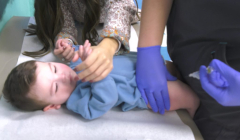

Colorado, Montana, and Utah Among Nation’s Top States in RSV Protection for Babies Following Intermountain Health Awareness Effort
Colorado, Montana and Utah are ranked in the nation’s top six states for protecting children against Respiratory Syncytial Virus (RSV). This achievement follows Intermountain Health’s intensive efforts to educate expectant mothers and parents of newborns about how RSV protection can prevent serious illness, hospitalization, and even death in a baby’s first year of life.
When protected mothers who pass antibodies to their newborns are included in those numbers, Utah is ranked No. 1 in the country for protecting children against RSV, according to a Centers for Disease Control summary of the 2024-25 RSV season.
Additionally, Utah babies with RSV protection, either from antibodies passed from their moms at birth or from an RSV immunization, were nine times less likely to be hospitalized, and five times less likely to need intensive care to help them breathe if they were hospitalized, than babies without RSV protection, Intermountain Children’s Health experts have found.
RSV is a highly contagious virus that causes bronchiolitis, a lung infection that can result in severe illness in infants. Every year in the United States, RSV is linked to thousands of hospitalizations, hundreds of deaths, and millions of clinic visits in children under the age of 5.
“The ability to keep babies well and out of the hospital with a single shot is a game-changer,” said Carolyn Reynolds, executive director of the Intermountain Children’s Health-Ambulatory Clinical Program. “Having an infant with RSV is very stressful for parents, especially when the child requires hospitalization or ventilation to help them breathe. RSV protection is something that can really improve lives for infants and families and save health care costs.”
RSV season typically begins every fall and continues through early spring. Vaccines to help prevent serious and potentially life-threatening RSV were unveiled in 2023, and became more readily available to expectant mothers and infants beginning in the 2024-2025 RSV season.
Expectant moms in their third trimester of pregnancy (between 32-36 weeks gestation) can get the maternal RSV protection Abrysvo, and pass the antibodies to their babies to help protect them during their fi