
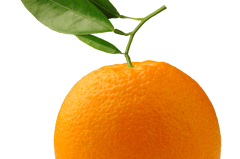

The scent of an orange grove in full bloom is intoxicating, and when the trees flower, they hum with bees.
Oranges provide convenient packages of vitamin C that people can enjoy as fresh fruit (which is high in fibre) or juice. Oranges also contain useful quantities of potassium. Kids usually love them but, as the fruit is difficult to peel, they are more likely to eat oranges when someone peels or cuts them into quarters. Although we tend to think of oranges as fruiting trees, they also bear extremely fragrant white flowers in spring. The scent of an orange grove in full bloom is intoxicating, and when the trees flower, they hum with bees.
Orange
Common name: Orange
Botanical name: Citrus x aurantium (Syn. C. sinensis)
Family: Rutaceae
Aspect and soil: Sun; well-drained soil
Best climate: Mediterranean, temperate, subtropical
Habit: Evergreen tree
Propagation: Grafting, budding
Difficulty: Moderate
Varieties
Oranges vendors sell grafted trees that are two to three years old. Gardeners can plant them throughout the year, but they find plants plentiful in autumn, winter, and early spring. If you have space, select several varieties to extend the cropping season. ‘Washington Navel’ begins to ripen in winter. It is seedless, easy to peel, sweet and juicy. Great for eating and long cropping, the navel orange is the orange with the distinctive “belly button” base.
‘Valencia’ is popular for juicing and eating and a great garden choice as the fruit hangs on the tree from winter to early summer. There’s also a seedless variety (‘Seedless Valencia’) for those who don’t enjoy orange pips. For marmalade lovers, the best variety to grow is the ‘Seville’ orange, a bitter orange that fruits in early spring. And those who love freshly squeezed orange juice can invest in a blood orange, which has red juice. Blood orange fruit is also plentiful in spring.
Getting Started
To get the best fruit, plant trees in a sunny but sheltered spot with deep, well-drained soil. If the trees need protection from winter cold, you should grow them in large containers (at least 40 litres in size) so you can move them into a sheltered position in autumn and through winter. Select a dwarf variety for container growing. Trees cope with afternoon shade but do best with full sun all day and with no competition from other plants. Allow at least three metres between individual trees. Although they grow best in an orchard situation, they can be planted more closely as a hedge or screen.
Good soil drainage is vital for growing any citrus, and oranges are no exception. In areas with poorly drained soil, make raised beds. Allow at least 30cm depth for the root area. Despite their need for good drainage, don’t stint on watering, especially when orange trees are first planted and when they are forming fruit. Pruning is not needed to produce fruiting wood, but oranges can be pruned to remove dead growth, create a more bushy shape or to thin fruit if the crop is too heavy. Prune in spring if it’s necessary. Never prune in summer as the hot sun can burn the exposed bare wood.
Troubleshooting
Overcome most problems by encouraging strong growth with regular applications of organic citrus fertiliser. These feeds time just before flowering at the end of winter (August) and again in late summer (February). The addition of trace elements in spring can also help improve