
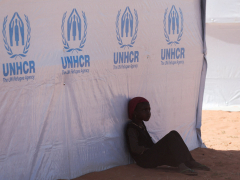

On October 14, the Swedish government announced it was nominating the CEO of IKEA, Jesper Brodin, as its candidate for United Nations High Commissioner for Refugees (UNHCR). Less than a month later, as the current high commissioner, Filippo Grandi, approached the end of his mandate, Brodin resigned from his position at the Swedish furniture giant, which he had led for eight years. In January 2026, the office of the UN secretary-general is expected to present a preferred candidate to the General Assembly for what former UNHCR head of research Jeff Crisp has called a “pro forma election”. Can the former chief of an iconic multinational company become the world’s highest authority on refugees — and what will it mean if he does?
In interviews, Jesper Brodin often refers to a small pamphlet by IKEA founder Ingvar Kamprad, titled The Testament of a Furniture Dealer, as outlining the values that inspire his way of doing business: innovation, sustainability and collective effort over individualism. Does the UNHCR need to learn lessons from a “furniture dealer”? The question matters because Brodin’s appeal is often framed in terms of corporate values, yet it remains unclear how — or whether — these translate into the protection of refugees. Whether Brodin has any chance of making it to the Geneva post or not, the question is worth asking, for the role of IKEA as a donor and operational partner of the UNHCR is significant and is likely to grow.
While humanitarianism and business have historically been companions, particularly since the end of the Cold War, this is the first time a business leader has been proposed to head the UN refugee agency. The nomination comes at a time when the UNHCR faces a dramatic cash crunch, and when political pressures and anti-refugee sentiment are increasing globally. Many scholars and practitioners believe the future of the global refugee regime itself may be at stake. Understanding the implications of Sweden’s choice, then, requires examining how corporate humanitarianism now shapes refugee protection.
Many were taken aback by the nomination. Yet the move by Sweden is anything but surprising. Over the past three decades, corporations have taken on increased responsibility for responding to humanitarian crises, while traditional organisations compete for a rapidly diminishing pool of resources. Research on the commodification of compassion has shown how, increasingly, “doing good” and “doing well” have become one and the same. This kind of “brand aid” involved both promoting commercial brands (from Toms shoes to Starbucks) through their involvement in humanitarian causes, and turning aid itself into a branded activity — something most effectively done through corporate partnerships. It began around two decades ago but has now become the dominant model of humanitarian engagement. As one major humanitarian donor in Kinshasa told us, “It’s now all about collaborations between the private sector, businesses and philanthropists.” Indeed, when the desire to help becomes something you can sell, corporations such as IKEA can profit from involvement in global helping that builds their ethical branding. But can the UNHCR profit from being led by IKEA’s CEO? The question goes to the heart of a growing unease about the direction of the refugee regime.
We see three main problems here. First, UNHCR is caught between contradictory demands fr