
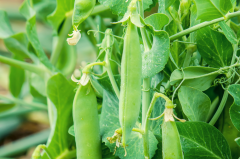

Freshly picked peas are a delight, even to the fussiest of children. Grow your own pods and score a win for the whole family.
A kilo of pea pods is a great conversation starter. Sit down with your kids around the kitchen bench or table and see what spills out as the peas fall from their pods. First up, your kids may be surprised to discover that peas actually come from pods, not plastic bags.
While it is rare today to find podded peas at the greengrocer or supermarket, they are a perfect winter and spring crop to grow in the garden — even in a container. And don’t let the fact that your children say they don’t like peas stop you from planting them. Another benefit that comes from growing your own peas is the delight in seeing kids who don’t eat their greens tuck into freshly picked peas.
Peas fresh from the garden are very sweet and crunchy, which is probably why they seem so tasty to green-phobic eaters. They grow easily, grow quickly, and you can pick and eat them straight from the plant. Peas take 12 to 16 weeks from sowing to harvest. Snow peas — flat-podded peas eaten pod and all — can produce podin as little as six to eight weeks after planting. Peas planted in autumn crop in winter, and to keep a steady supply, make another sowing in winter or early spring.
Pea
Common name: Peas, snow peas
Botanical name: Pisum sativum
Family: Fabaceae (bean or pea family)
Aspect & soil: Sun; well-drained soil
Best climate: All
Habit: Climber
Propagation: Seed or seedling
Difficulty: Easy
Get growing
Peas grow best through the cooler months of the year, but gardeners can plant snow peas well into spring to harvest in early summer. Grow from seed or buy punnets of seedlings to plant, which speeds up the process. Peas are climbers, so they need support. If you have the space, grow them on a trellis in the vegetable garden or up a tripod of stakes in a veggie bed, raised bed or in the centre of a large container. Peas grow best through the cooler months of the year, but gardeners can plant snow peas well into spring to harvest in early summer.
Peas respond to well-prepared soils, so before sowing, dig in organic fertiliser and incorporate it well to a depth of about 15cm so it is available to the growing roots. Hose the soil so it’s damp at planting time. Sow pea seeds in a 15–25mm-deep hole or drill (a furrow), spacing them about 5cm apart. When the plants begin to grow, help them find the support you’ve constructed by guiding the growing tendrils towards the base of the trellis or teepee. Small twigs poked into the ground can help get pea plants off to a good start.
Good enough to eat
Peas have a reputation for being fattening and many people avoid eating these tasty morsels for that reason. However, this reputation is not deserved. A typical serve of around 50g has only 125kJ. A 50g serve of snow peas has just 70kJ. Encouraging children (and adults) to eat fresh peas provides protein, vitamin C, iron, niacin, zinc and fibre along with plenty of dietary fibre.
Pests and diseases
Problems with pea plants usually occur either at the beginning or end of their lifespan. If gardeners grow peas through the cool