
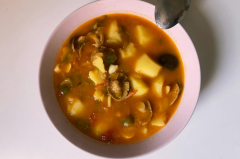

Hyper-fixation meals have become a talking point in wellbeing circles lately due to their soothing role in everyday life. In my nutrition clinic, one of my foundational principles is to focus on diversity when it comes to food and, in particular, optimum gut health. While dietary diversity has brought with it so many benefits for your health, the practice of returning to a favourite meal can also bring with it a sense of reassurance and restoration.
I often see this type of eating pattern with my clients, especially during busy, stressful periods in their lives when it’s difficult to stay motivated about cooking and preparing food or when decision fatigue sets in. I reassure my clients that there is science behind why the same meals each day can feel comforting and that occasional repetition is perfectly okay.
Research shows that repeated meals can be so much simpler and easier to prepare when life feels unpredictable and choosing to eat the same meal each day can provide you with an anchor amid the chaos. Repetition removes the decision-making burden and, as there is no more deliberation over what to have for lunch or dinner, it can help streamline grocery shopping and meal preparation. For many people, this kind of eating routine can translate to saved time, less stress and a reassuring sense of control in their lives.
Neurodivergent individuals, including those with ADHD or autism, can be especially drawn to hyper-fixation meals due to a strong and prolonged preoccupation with a particular food which is often called a “safe food”. There are several reasons for this: one involves sensory sensitivities. This is where familiar tastes or textures help to soothe and avoid overstimulation. Being in a repetitive cycle means that there is less executive function stress, which can make daily life feel much more manageable, just like a little oasis in an otherwise chaotic world. There’s also a dopamine response associated with the anticipation and enjoyment of a favourite dish. One of the reasons for this is the emotional significance that comes with eating a familiar meal, especially when it becomes part of our routine and memory.
If you find that you’re being overly critical with yourself about indulging in the same meal for days or weeks in a row, remember to be kind and gentle with yourself. Show yourself self-compassion and remind yourself that hyper-fixation meals are a valid form of self-care that can help you to satisfy sensory, emotional and nutritional needs, which allows you to focus your energy elsewhere.
For those who might be concerned about the lack of dietary diversity, there is