
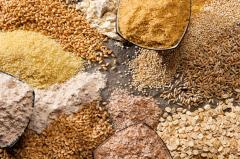

Ancient grains are nutrient-dense, high in fibre and linked to health benefits like decreased cholesterol and lower risk of stroke. Discover some of our favourite ancient grains like farro, spelt, millet, bulgur and teff, and learn how to prepare and cook them.
Grown as they were many thousands of years ago, ancient grains pack a nutritious punch while being readily available on supermarket shelves and in whole-foods stores for keen foodies to embrace and enjoy in everyday cooking. More modern and common grains such as wheat, maize and rice which, over time, have undergone signifi cant refinement, hybridisation and genetic modification, can still of course be of benefit in the diet. However, as they deviate more from their original and natural state, so too can their nutrition.
Ancient grains such as amaranth, millet, einkorn, sorghum, freekeh, teff, spelt, bulgur, rye, farro, wheat berries, wild rice and kamut, however, remain largely unchanged or unrefined, offering unique properties in nutrition and diversity in flavour to meals too. If you’re keen to experience and connect with new ingredients that hold a beautiful connection to the past, ancient grains are your go-to.
Farro
Farro originated in the Mediterranean, and it has a mild nutty flavour and chewy texture quite similar to a brown rice. It boasts rich sources of protein, fibre, magnesium and iron. Farro is a variety of wheat and does contain gluten; however, the gluten component is shown to be far less than that of modern, refi ned wheat and potentially better tolerated by those with a mild wheat or gluten intolerance. It is not, however, appropriate for coeliacs.
Use farro whole rather than milled into a fl our. Two options of farro are often available: pearled and semi-pearled. Aim to purchase and cook with semi-pearled farro as it contains more of the outer bran and is thus a denser source of nutrients.
3 ways with farro
1. Swap arborio or brown rice for farro in your next risotto, a beautiful nutty flavour to team with the creaminess of parmesan and vegetables.
2. Sauté cooked farro with leftover roasted vegetables as a breakfast hash topped with an egg and a dollop of pesto.
3. Enjoy cooked farro among a wholesome mix of vegetables and beans in your next batch of minestrone soup.
Spelt
Spelt has a mild flavour very similar to traditional wheat, making it an easy swap for wheat-based dishes such as bread, pancakes, pastry and pasta.
It also holds a similar nutrition profile to common wheat and therefore contains gluten; however, as with many of its ancient grain siblings, spelt is richer in some nutrients, including zinc and protein. A higher zinc content in what can very easily become an everyday grain is beneficial for supporting immune system function and wound healing and for the synthesis of proteins and DNA. Also, zinc is required in higher quantities during stages of life such as pregnancy, infancy and early childhood. A great way to get more nutrients such as zinc into kids is with spelt. Slice of spelt sourdough, anyone?
Try whole spelt grain, rolled spelt and spelt fl our. Whole and rolled spelt grain has quite a tough texture and is best soaked overnight (fermented) or sprouted to ease digestion. Spelt flour can be found both in wholemeal and plain variations, with a remarkable difference in colour. Aim where possible for the wholemeal spelt flour to maintain higher levels of nutrients from the whole grain.
3 ways with spelt
1. Swap rolled oats for rolled spelt in your next muesli or porridge topped with fresh berries and seeds. Rolled spelt does take longer to cook, so be sure to soak it in advance for a faster cooking experience.
2. Include spelt as part of a wholesome flour blend with wholemeal and brown rice to boost nutrition in your baking. Test the blend on an old favourite like banana bread or muffins first, and you’ll soon see there’ll be no looking back at plain white flour!
3. Supercharge weekend breakfasts with plant-based spelt hotcakes topped with maple and strawberries or any fruits in season.
Millet
Millet has a creamy, mild flavour (not overbearing like quinoa or buckwheat) in cooking. While millet is not currently a frequent feature on the bigger supermarket shelves, it is beginning to gain significant popularity in Western countries due to millet being a gluten-free grain, popular and convenient for both coeliacs and gluten-free diet devotees. Millet is commonly consumed throughout Africa and Asia and has been a staple grain in these regions for centuries.
“Millet flour is a wonderful option to keep in the cupboard and combine
with other gluten-free flours for wraps, pancakes and baking”.
It packs its nutrition into the grain with magnesium and calcium to boot. Just one cup (100g) of cooked millet grain delivers 20 per cent of the recommended daily intake (RDI) of magnesium and 13 per cent of the RDI of calcium. Magnesium is essential for hundreds of biochemical pathways in the body. It supports muscle contraction and relaxation and thus plays an important role in exercise and athletic performance; it can help with blood glucose regulation, reducing demands on insulin and nutritionally is indicated in type-2 diabetes and gestational diabetes mellitus (during pregnancy); and, among many other incredible supportive factors, magnesium has powerful cardiovascular benefits, with studies showing that higher magnesium intake can help reduce blood-pressure levels.
Try puffed millet, millet fl our, flakes and whole millet grain