
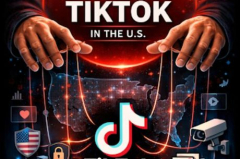

If Oracle were to exert sustained influence over TikTok’s U.S. operations – while continuing to dominate global hotel operations through platforms such as Oracle OPERA Cloud – hospitality would be confronting a structural shift that goes far beyond technology.
This would not be a marketing story. It would be a guest equation story.
For the first time, the systems that manage hotel stays and the platforms that shape travel desire could sit within the same strategic gravity field. That convergence changes not just how hotels sell, but how they understand why people travel at all.
From Transactional Guests to Intent-Driven Humans
Hotel systems have historically been built to record outcomes:
- Reservations made
- Rooms occupied
- Revenue captured
CRM in hospitality is therefore largely retrospective. It explains what the guest did yesterday and attempts to infer what they might do tomorrow.
TikTok operates in a different temporal dimension. It captures curiosity, aspiration, and emotional response – often months before a booking exists. It is not about transactions; it is about intent formation.
If these intent signals were ever abstracted, anonymized, and ethically integrated into hospitality systems, the guest profile would fundamentally change. It would evolve from a static history into a dynamic probability model – a living representation of emerging interests rather than past behavior.
That is a material change in how value is created.
CRM Moves Upstream – Before the Booking Exists
Today, hotel CRM activates after a reservation is confirmed. By that point, distribution battles have already been fought and won – often by intermediaries.
TikTok sits far earlier in the journey, when travel is still an idea rather than a plan. This creates the possibility of a CRM that begins at inspiration, not confirmation.
In practical terms, this could mean:
- Detecting destination interest before it shows up in search
- Understanding why a guest is traveling, not just where
- Aligning messaging and offers to emotional drivers such as wellness, escape, family, or experience-seeking
In this model, hotels are no longer late-stage respondents to demand. They become earlier-stage participants in shaping it.
That alone alters the competitive balance between brands, owners, and platforms.
Experience Becomes the Core Unit of Personalization
Personalization in hotels today is predominantly ope